

 KO
KO CN
CN JP
JPElectric Shock-
Like Facial Pain Often Mistaken for a Toothache
Trigeminal Neuralgia
Scroll down
Electric Shock-
Like Facial Pain Often Mistaken for a Toothache
Trigeminal Neuralgia treatment
Trigeminal Neuralgia treatment
Trigeminal Neuralgia treatment
Trigeminal Neuralgia treatment
Trigeminal Neuralgia treatment
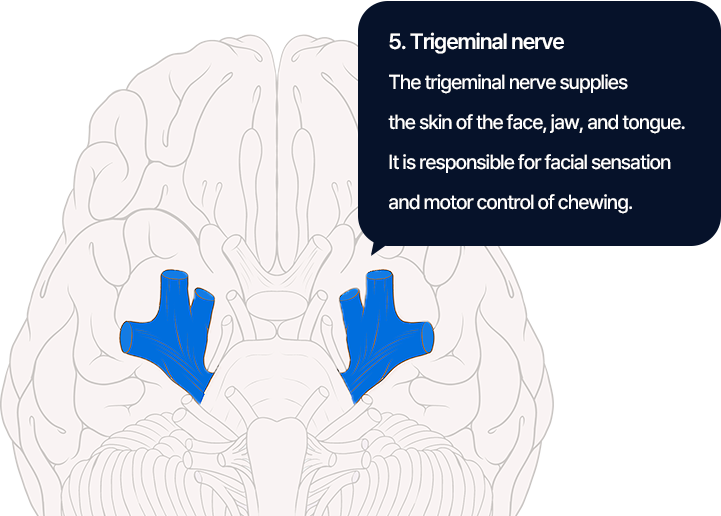
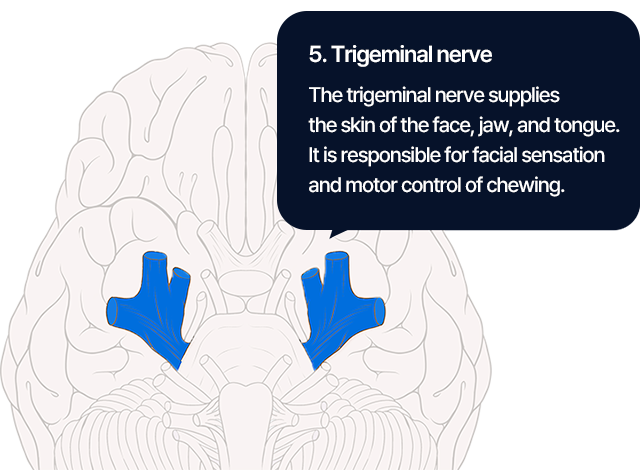
Trigeminal Neuralgia
Setting the Standard
for Facial Nerve Care
Bareuljung Korean Medicine Hospital
Trigeminal neuralgia is a disorder caused by damage
or compression of the fifth cranial nerve,
which is responsible for facial sensation.
It triggers recurrent, severe, electric shock–like facial pain, typically occurring on one side of the face.
Even the slightest stimulation can provoke intense,
shooting pain, significantly affecting daily life.
Trigeminal Neuralgia
Precise Diagnosis Is Key
Symptoms by Affected Areas
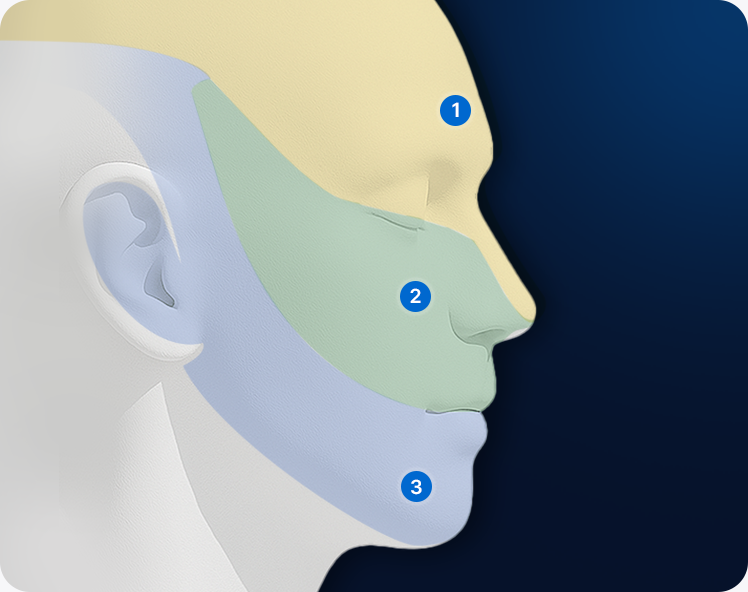
Unlike ordinary toothache
or temporary neuralgia,
trigeminal neuralgia can worsen
and become chronic if left untreated
-early diagnosis is crucial.
Most cases of trigeminal neuralgia occur
when the trigeminal nerve is compressed
or irritated by nearby blood vessels.
This pressure makes the nerve overly sensitive,
leading to sudden and severe pain episodes.
Trigeminal neuralgia can develop from a variety of underlying causes, including
Traffic accidents
dental treatments
Shingles (Herpes zoster)
otitis media (middle ear infection)
Cerebral hemorrhage
brain tumor
vascular compression
Cases where no clear cause
can be identified
Similar to Trigeminal Neuralgia
Trigeminal neuralgia often presents symptoms
similar to toothache or atypical facial pain,
leading to frequent misdiagnosis.
However, there are clear differences in both
the cause and the pattern of pain.
Depending on whether the pain originates
from a dental problem, from hypersensitivity
of the trigeminal nerve,
or from atypical facial pain
with no identifiable cause, the treatment
approach must be carefully differentiated.
| Category |  Trigeminal Neuralgia Trigeminal Neuralgia |
Toothache | Atypical Facial Neuralgia |
|---|---|---|---|
| Pain Location | Usually unilateral (one side of the face) |
Usually unilateral (one side of the face) |
Unilateral or Bilateral |
| Pain Pattern | Brief, sudden pain lasting seconds to minutes |
Continuous or persistent pain | Continuous or persistent pain |
| Pain-Free Periods | O | X | X |
Both toothache and trigeminal neuralgia cause pain on one side of the face,
which often leads to confusion and misdiagnosis as a dental problem.
However, toothache pain tends to be continuous until treated,
while trigeminal neuralgia pain is brief yet intense,
lasting only a few seconds to several minutes at a time.
Similar to Trigeminal Neuralgia
Trigeminal neuralgia is often mistaken for toothache or atypical facial pain because their symptoms can appear similar.
However, there are clear differences in both
the underlying cause and the nature of pain.
The treatment approach varies depending on whether
the pain originates from a dental issue,
from hypersensitivity of the trigeminal nerve,
or from atypical facial pain with no identifiable cause.
If you experience unexplained facial pain that recurs,
or sudden, intense pain with pain-free intervals,
it may not be a toothache —
it could be trigeminal neuralgia.
A precise diagnosis is essential to distinguish the cause accurately.
Five Major Symptoms
of Trigeminal Neuralgia
Trigeminal neuralgia causes sudden, severe facial pain,
often triggered by daily activities or light touch.
The pain is sharp and electric, usually on one side,
and can be mistaken for a toothache.
Recognizing its key symptoms is vital for accurate diagnosis.




Severe pain may occur
from simple daily actions
like talking or brushing your teeth.
It’s often mistaken for a toothache
due to similar symptoms.
Identifying the exact pain pattern
is crucial for early diagnosis.
If symptoms repeat,
a specialist evaluation is essential.
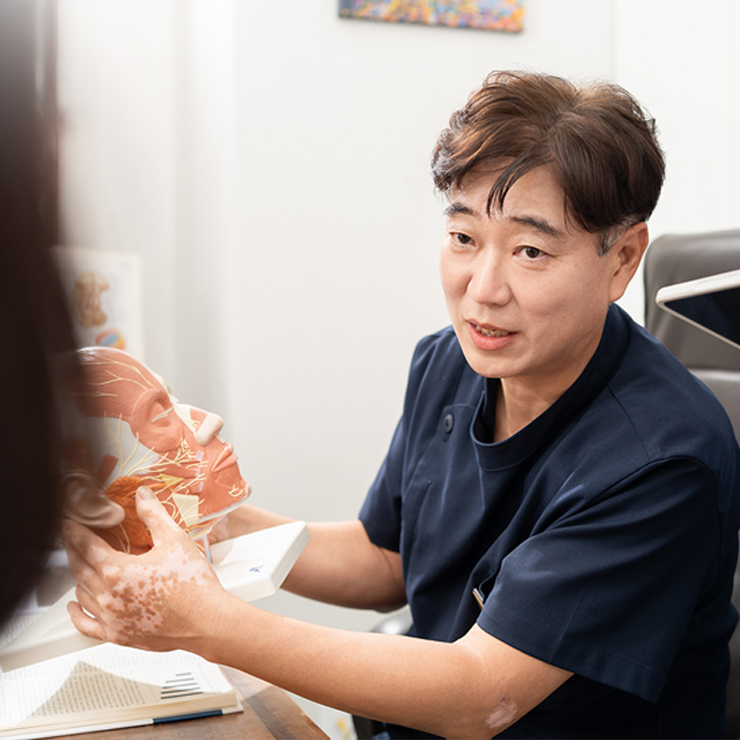
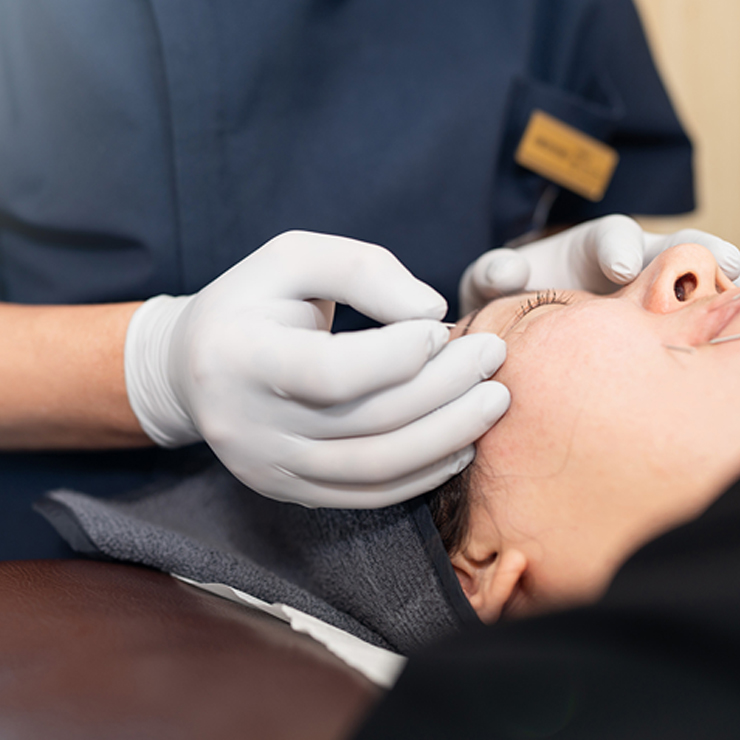
Bareuljung Facial Paralysis
Treatment Process
Treatment
Process



is not a condition that heals on its own
early treatment plays a crucial role in determining the outcome.
Early and accurate treatment is vital before nerve and muscle damage progresses.
Bareuljung Korean Medicine Hospital offers personalized,
integrated Korean–Western care to support your recovery
-start treatment early for the best outcome.
Tel.
+82-2-3281-1075
KakaoTalk
Work hour
Weekdays
AM 09:00 ~ PM 20:00
Lunch (Weekdays)
PM 13:00 ~ PM 14:00
Weekends · Holiday
AM 09:00 ~ PM 15:00
* We are open during lunch hours on
weekends and holidays.


닫기
 Insta
Insta
 Youtube
 Blog
Blog