From Surgery to Recovery,
Integrated Care for Complete Healing

Post-Surgery Rehabilitation
with Integrative Korean–Western Medicine

Postoperative rehabilitation

Postoperative rehabilitation

Postoperative rehabilitation

Postoperative rehabilitation

Postoperative rehabilitation

Why Is Post-Surgery Rehabilitation Important?

Surgery is only the first step-
it corrects the source of pain or structural damage,
but it is not the end of treatment.

Without proper post-surgical care, secondary problems such as muscle atrophy, tissue adhesion, and reduced joint function may develop.
Starting systematic rehabilitation early is crucial for faster recovery and better long-term outcomes.

Early, Structured Rehabilitation
Is Essential After Surgery

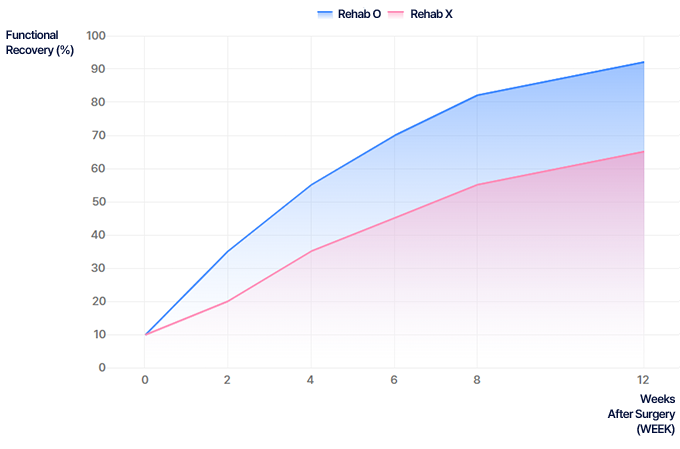
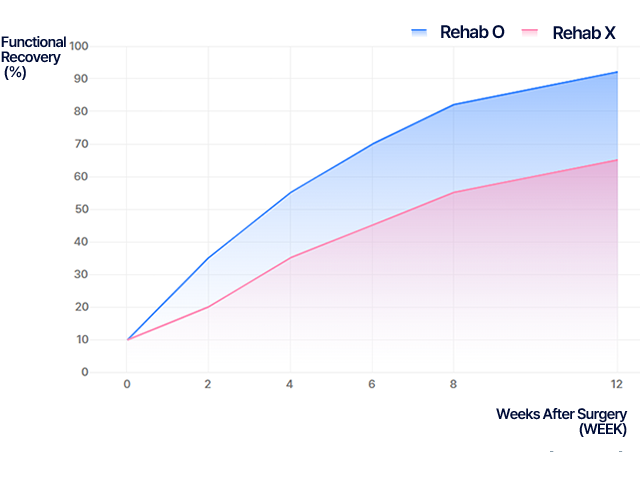
Recovery curve comparison between patients
who received postoperative rehabilitation and those who did not
Source: International Association for the Study of Pain (IASP), ICD-11;
JAMA Network Open, 2023; PMC Meta-analysis on Arthroplasty Rehabilitation, 2023

Patients who received
structured rehabilitation
early after surgery

Showed faster
functional recovery
within 12 weeks.

Patients with delayed
or insufficient treatment

Exhibited a slower recovery curve
and a higher risk of long-term
functional decline.

This demonstrates that
starting rehabilitation immediately
after surgery

is crucial for faster recovery
and optimal outcomes.

Main Goals of
Post-Surgery Rehabilitation

After surgery, the body has completed structural correction,
but its functional stability remains fragile.

Rehabilitation aims not only to accelerate recovery, but also
To relieve pain, rebuild muscles, restore joint movement, and help patients return to normal life.

Post-Surgical Pain
& Inflammation Relief
Pain
Reduction
Muscle Restoration
Atrophy Prevention
Muscle
Strengthening
Joint Mobility Recovery
Adhesion Prevention
Joint
Recovery
Stamina Recovery
Immunity Strengthening
Return-to-Life Support
Return to
Daily Life

Bareuljung

Bareuljung Rehabilitation Approach

Rehabilitation at Bareuljung Korean Medicine Hospital goes beyond simple pain relief.

It’s a personalized program designed
to restore muscle, nerve,
and joint function according
to each patient’s recovery stage.
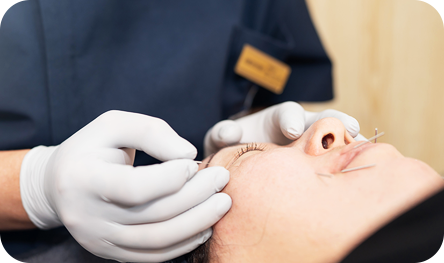
한방치료

Korean Medicine Therapy

Herbal medicine, pharmacopuncture,
moxibustion, and Chuna therapy

enhance circulation, boost vitality,
and support the body’s natural recovery.
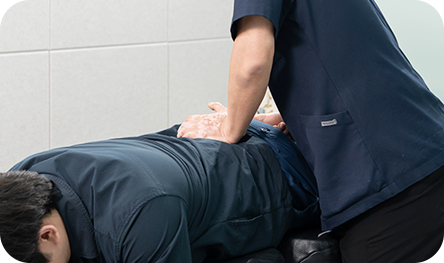
양방치료

Western Medicine Therapy

Manual, electro,
and physical therapies

help restore muscle and joint function
and return movement to normal.

Treatment starts with acute pain management
and continues step by step toward functional recovery and vitality restoration.

Through this process,
patients not only experience pain reduction
but also regain a healthy, active lifestyle.

Restore your body’s balance through integrative rehabilitation
and return to a healthy,
active life.

Inpatient Care
24-hour attentive
intensive treatment

Focus on recovery with peace of mind.

  • Comprehensive Evaluation
    & Admission Consultation
    Integrated Korean–Western consultation
    with X-ray, ultrasound, etc.
  • 24-Hour Integrated
    Korean–Western Treatment
    Herbal medicine, acupuncture, moxibustion,
    pharmacopuncture, and medication.
  • Integrated Pain & Movement Therapy24-hour rehabilitation including Chuna therapy,
    physical/manual therapy, and CPM.
  • Post-Discharge Outpatient MaintenanceSupport to maintain the treated area
    and strengthen self-care ability.
Outpatient Care
Steady recovery management
in daily life

heal comfortably
while maintaining your routine.

  • Comprehensive Examination
    & Consultation
    Integrated Korean–Western consultation
    with X-ray, ultrasound, and more.
  • Korean Medicine Pain Relief
    (2–3 sessions per week)
    Includes herbal medicine, acupuncture,
    moxibustion, pharmacopuncture, and medication.
  • Integrated Pain & Movement TherapyRehabilitation that fits daily life
    Chuna therapy, physical/manual therapy, CPM, etc.
  • Lifestyle Management
    & Education
    Prevention of reinjury and personalized lifestyle guidance.

At Bareuljung Korean Medicine Hospital,
we carefully consider each patient’s lifestyle
and recovery goals
to provide the most suitable treatment
approach together.

From inpatient to outpatient care,
every recovery path
is personalized
for each patient’s best outcome.

Post-Surgery Rehabilitation
Frequently Asked Questions (Q&A)

Q. How is integrative Korean–Western rehabilitation different?
It blends Korean and Western medical approaches to relieve pain, restore tissue, and enhance function.
Bareuljung Korean Medicine Hospital provides combined treatments such as acupuncture, pharmacopuncture, Chuna therapy,
and physical/manual therapy for faster recovery and lower recurrence rates.
Q. Is it safe to take herbal medicine after surgery?
Yes. We prescribe herbal medicine that supports immunity, vitality, and tissue recovery, carefully tailored to your condition and current medications.
If needed, blood tests are performed before and after treatment to ensure safety, and our medical team checks for any drug interactions in advance.
Q. What are the benefits of thread embedding (Maeseon) and pharmacopuncture therapy?
Pharmacopuncture promotes faster healing by reducing inflammation and boosting circulation and tissue repair.
Thread embedding improves blood flow and regenerates tissue using absorbable threads, showing excellent results in paralysis and pain treatment.
Q. My surgical area is swollen or warm — can I still receive treatment?
Yes. Even with swelling or warmth, treatment is safe.
We avoid needling the surgical area and instead use distal acupuncture,
along with herbal and physical therapy to reduce inflammation and stabilize recovery before rehabilitation.
Q. How long does postoperative rehabilitation usually take?
Typically, rehabilitation lasts 4 to 12 weeks, starting with pain and swelling control, then progressing to muscle and function recovery.
Duration varies by individual recovery and surgical area.
Q. I still feel pain after surgery. Can Korean medicine help?
Yes. Persistent pain after surgery is often due to tension or adhesion.
Acupuncture, pharmacopuncture, and Chuna therapy help release tension, enhance circulation, and ease pain for better recovery.
  • Not mere support, but the heart of recovery.

    Before nerve and muscle damage advances,
    early diagnosis and treatment are essential.
    Bareuljung Korean Medicine Hospital offers
    personalized integrative care to guide you safely toward recovery.

  • Tel.

    +82-2-3281-1075

  • KakaoTalk

    Click to Connect Instantly
  • Work hour

    Weekdays
    AM 09:00 ~ PM 20:00

    Lunch (Weekdays)
    PM 13:00 ~ PM 14:00

    Weekends · Holiday
    AM 09:00 ~ PM 15:00

    * We are open during lunch hours on
    weekends and holidays.
Bareuljung SNS

Address

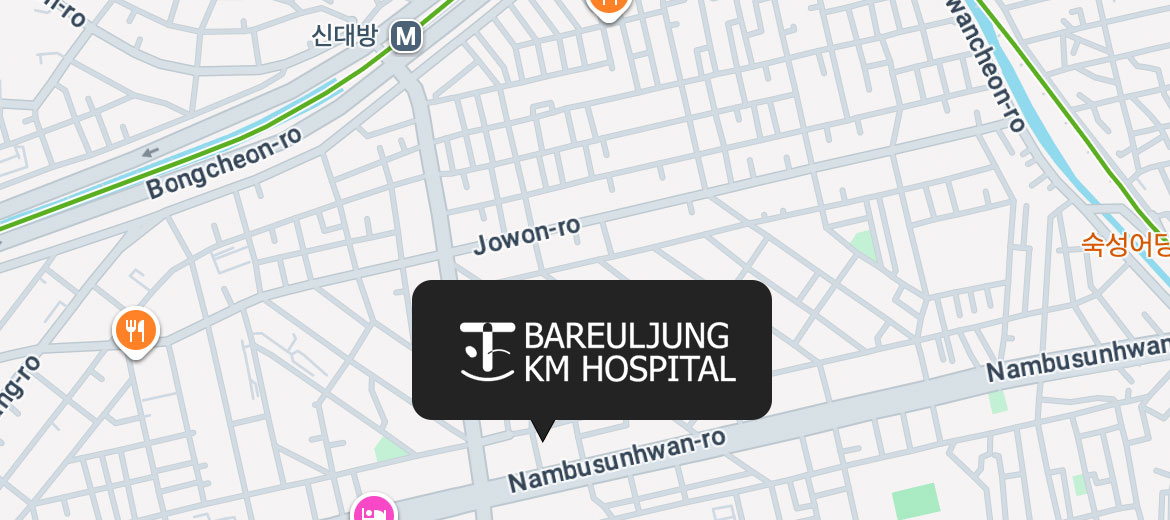
1485 Nambusunhwan-ro, Gwanak-gu, Seoul, South Korea (1F·8F·9F)

Contact Us Online

회원로그인